UK health officials have issued new travel advice following a sharp rise in cyclospora infections, with the overwhelming majority of cases for which travel information is available linked to visits to Mexico.
The UK Health Security Agency said 67 cases were reported among travellers returning to England, Wales and Scotland between 30 April and 15 July 2026.
The figures include 30 cases in England, 27 in Scotland and 10 in Wales. Travel information was available for 52 patients and 48 of them reported visiting Mexico. One of those travellers had also visited the United States.
One further patient reported travelling only to the United States and another had visited Kenya. UKHSA said investigations into the cases were continuing.
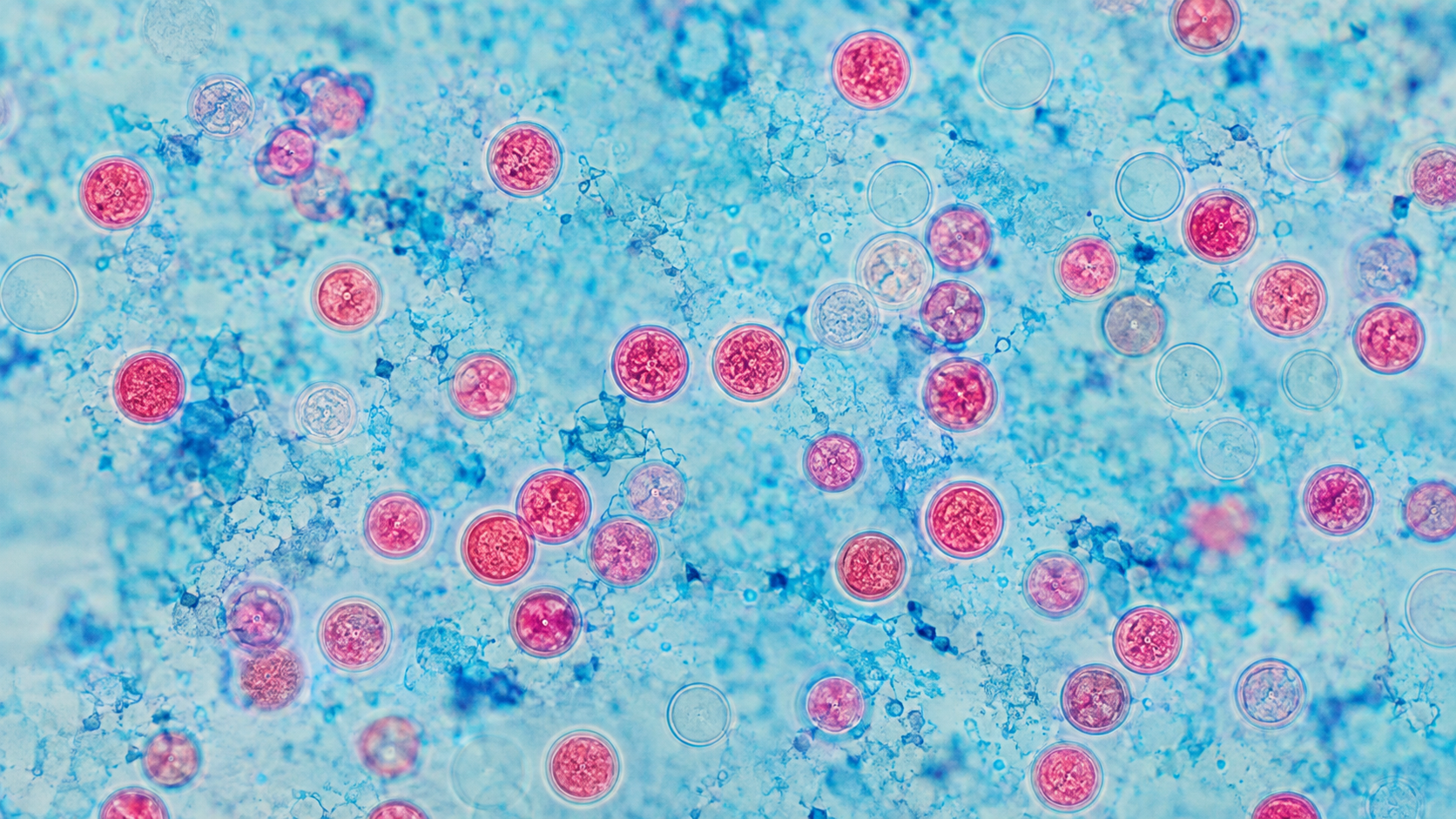
Is there a cyclospora outbreak in the UK?
The increase does not mean that cyclospora is spreading between people within the UK.
Cyclospora is a microscopic parasite which causes an intestinal illness called cyclosporiasis. It does not occur naturally in the UK and is usually acquired by eating food or drinking water contaminated with the parasite.
UKHSA says there is no risk of it spreading from person to person through ordinary contact. The current increase is therefore being described as a rise in travel-associated infections, rather than a domestically circulating outbreak.
Most of the travellers linked to Mexico had stayed at different hotels in the Riviera Maya and Cancún areas. Many reported eating and drinking a wide range of products as part of all-inclusive holiday packages, meaning officials have not identified a single hotel or food item as the source.
What are the symptoms of cyclospora?
Symptoms normally begin around a week after a person consumes contaminated food or water. They can include:
- frequent watery diarrhoea
- stomach pain and abdominal cramps
- bloating and increased wind
- nausea and a low-grade fever
- tiredness and muscle aches
- loss of appetite or weight loss
For most people, the illness is unpleasant but clears without treatment within a few days or weeks. However, symptoms can persist or return after apparently improving.
People with weakened immune systems are at greater risk of experiencing severe or prolonged illness. Doctors can confirm an infection by testing a stool sample, while antibiotics may be prescribed for severe or persistent cases.
Food and water advice for travellers
There is currently no vaccine against cyclospora. UKHSA is therefore advising travellers to reduce their risk by taking care over food, water and personal hygiene—even when staying at high-end or all-inclusive resorts.
Recommended precautions include:
- drinking bottled or boiled water where tap water may be unsafe
- using safe water when brushing teeth
- avoiding ice when its water source is uncertain
- avoiding uncooked berries, salad leaves and fresh herbs which may not have been washed in treated water
- choosing fruit which can be peeled personally, such as bananas and oranges
- eating freshly prepared food which has been thoroughly cooked and served hot
- being cautious with smoothies and juices containing raw fruit, vegetables or herbs
- washing hands regularly with soap and clean water
The parasite has commonly been associated with fresh produce, including soft fruit, unpeeled fruit, lettuce and herbs such as coriander and basil.
Travellers told to mention their holiday history
Dr Philip Veal, a consultant in travel health at UKHSA, said the agency had detected a rise among people returning from Mexico.
“These infections are caused by a parasite and can affect the stomach and intestines.”
People who become unwell abroad should remain hydrated using safe fluids and oral rehydration products. Anyone experiencing severe symptoms, particularly those with a weakened immune system, should seek medical assistance promptly.
Travellers who develop symptoms after returning to Britain are advised to contact a healthcare professional and explain where they have recently travelled. Providing a complete travel history can help doctors consider cyclosporiasis and arrange the appropriate test.
UKHSA said it was working with ABTA, Mexican public health authorities and the National Travel Health Network and Centre as investigations continue. The agency anticipates that the number of travel-associated cases could rise further during the summer holiday period.